
- This event has passed.
Virtual Lunch and Learn: Austin Dabney and Black Georgians in the Revolutionary War
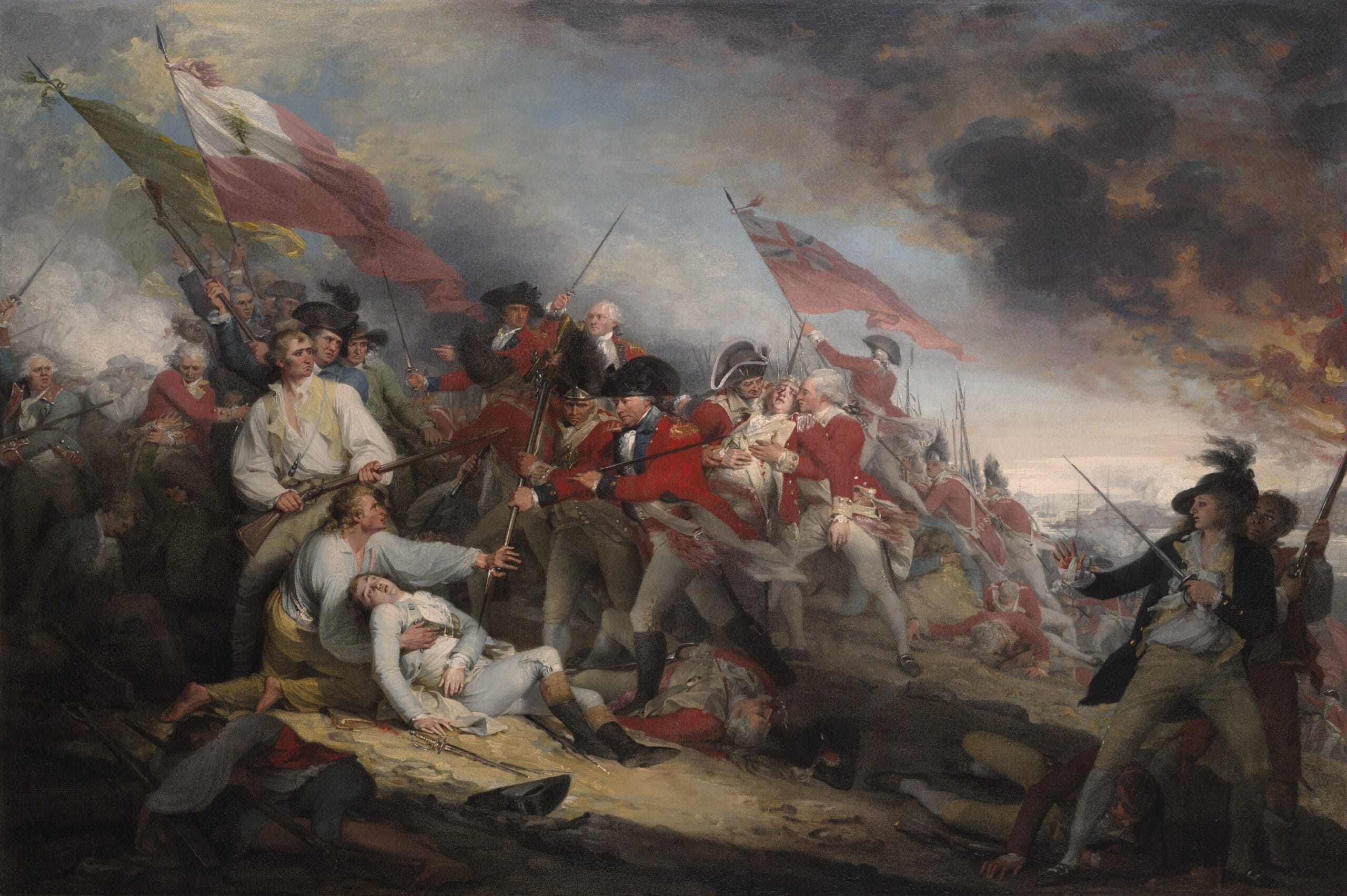
Black Georgians, like their state, played an important role in the American Revolution. By their choices, they extended the ideals of liberty to all people everywhere. They were found fighting and even dying in both armies, and Black Haitian soldiers served in Georgia, where some remained after the war. George Liele, the first Black Baptist minister, took his ministry to Jamaica, and his followers would help end slavery throughout the British Empire. His disciple David George led resistance to British policy in Nova Scotia and Sierra Leone.
The story of Austin Dabney is one of the most remarkable and controversial in American history. An African American Georgia teenager, he did not join the British in search of freedom from slavery. Dabney fought on the side of the Patriots in some of the most desperate fighting of the American Revolution. Seriously wounded in a battle, he might have been left for dead.
Dabney survived because a white fellow soldier rescued him and took him home to be nursed back to health by his family. Although crippled for life, he survived the wounds and would come to live with the family until he died in 1830. His last guardian, William Harris, the nephew of David H. Thurmond, who rescued him from the battlefield, would name a son Austin Dabney Harris.
Austin Dabney was the first person granted freedom from slavery by a government for his sacrifices in the American Revolution. He was the first to receive a pension and the only person of his race to do so for almost the first 50 years of the United States.
Join noted author and scholar Bob Davis for a Lunch and Learn during Black History Month as he discusses the role of these and other remarkable African Americans during the Revolutionary War.